
How to Protect Your Lawn While Mowing in Hot, Dry Conditions
Dry weather can make grass cutting harder on your lawn, but a few simple changes help a lot. Cut less often, raise the mower height, and never remove too much at one time. If the yard looks brown, thin, or dusty, wait until the grass has a little moisture before you mow. In Niceville, FL, dry spells can stress turf fast, so gentle lawn care matters more than usual.

What to Have Ready Before You Start
Before any grass cutting in dry weather, check your tools and your lawn. A mower with a dull blade can tear the grass instead of cutting it cleanly. Torn grass loses water faster and may turn brown at the tips. That makes the yard look rough even if you just mowed it.
It also helps to look over the lawn before you begin. If the soil is very hard, the grass may already be under stress. If you see footprints that stay in place, that is another sign the lawn is dry. This is part of smart outdoor service work and basic yard care.
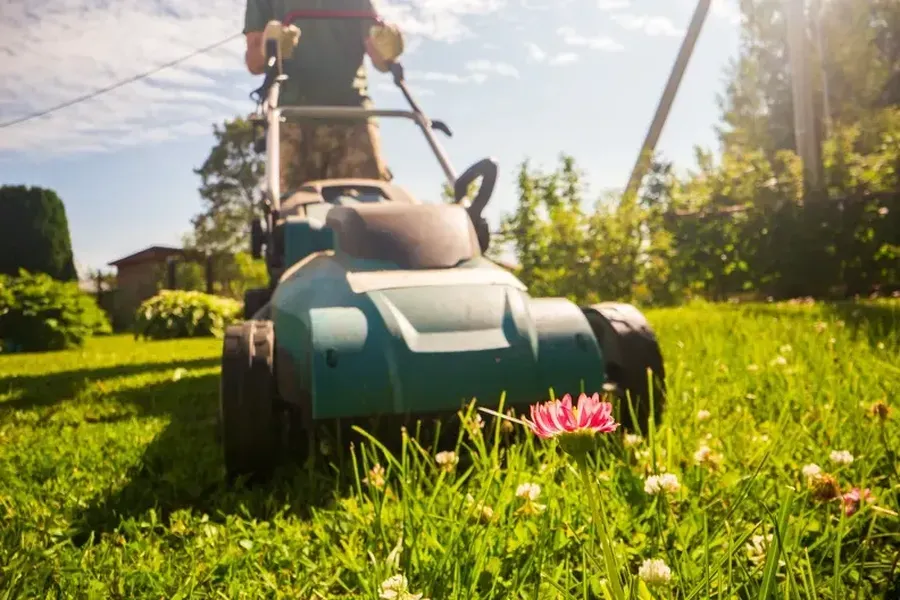
- Use a sharp mower blade
- Set the mower deck higher than usual
- Clear sticks, rocks, and dry debris
- Check for signs of heat stress
- Plan to mow in the morning or early evening
Step-by-Step Tips for Dry Weather Mowing
The best way to handle grass cutting during a dry spell is to go slow and avoid shock to the lawn. You want to keep enough leaf blade so the grass can shade its roots and hold moisture.
- Wait for a cooler part of the day. Early morning or later evening is best.
- Raise your mower height. Longer grass helps protect the soil from heat.
- Follow the one-third rule. Never cut more than one-third of the grass blade.
- Mow only when needed. If growth has slowed, skip a week.
- Leave short clippings if they are light. They can help return some moisture and nutrients.
- Avoid tight turns and extra passes. Dry turf breaks more easily under wheels.
- Watch problem spots. Slopes, edges, and sunny areas dry out first.
For example, if your lawn usually gets cut at 3 inches, move the height closer to 3.5 or 4 inches during hot, dry weeks. That small change can make a big difference. Taller grass shades the ground better and helps roots stay cooler.
Common Mistakes to Avoid
Many lawn problems in summer come from mowing habits, not just the weather. One common mistake is cutting the grass too short. People often do this to mow less often, but it can hurt the lawn badly in dry weather. Short grass dries out fast and may not recover well.
Another mistake is mowing in the middle of the day. Heat and sun put stress on the grass at that time. Adding mowing stress on top of that can lead to yellow patches or brittle blades. Some people also water right before mowing, which can clog the mower and create uneven cuts. It is better to let the grass dry on top before mowing.
Do not bag every clipping unless the yard is overgrown. Light clippings can help feed the lawn. Also, do not keep mowing dusty, crunchy grass just to stay on a normal schedule. The lawn’s condition matters more than the calendar.
Best Practices for Keeping the Lawn Healthier
Good lawn care in dry weather is about lowering stress. Water deeply but not too often if local rules allow it. Deep watering helps roots grow farther down. Shallow watering can lead to weaker turf. If rain is scarce, focus on keeping the grass alive and stable instead of trying to force fast growth.
It also helps to change mowing patterns. If you mow the same direction every time, the grass may lean and wear down in tracks. A new pattern spreads out pressure. On very dry lawns, reduce foot traffic too. Kids, pets, and yard work can all add stress when the soil is hard and hot.
If parts of the yard stay thin, those areas may need more than simple grass cutting changes. Soil compaction, poor shade balance, or irrigation issues may be part of the problem. A close look can save time and stop bigger damage later.
When It Makes Sense to Call a Professional
Some dry weather lawn issues are easy to manage on your own. Others need trained help. If the yard has large brown patches, bare spots, mower scalping, or signs of disease, it may be time to get advice. A pro can tell the difference between dormancy and damage. That matters, because the fix is not always the same.
You may also want help if your mower is leaving uneven results or if your schedule does not allow careful timing. Dry weather grass cutting often needs a softer approach and a flexible plan. A professional can adjust the mowing height, visit timing, and service routine based on what the lawn needs right now.
Final Recommendation
For lawns in Niceville, FL, dry weather mowing works best with patience and a higher mower setting. At D & B Pressure Cleaning and Landscaping, LLC, we help protect yards with careful grass cutting and smart timing. If you’d like us to take a look, call (850) 420-2401 and we can help you choose the right next step for your lawn.